Kho Kho Uganda's National Community Outreach, Capacity Building and Club Development Programme ran from November 2021 to June 2026. Its aim was to introduce Kho Kho to communities, train the people who will run it, and leave behind clubs that communities own and manage themselves.
Three phases
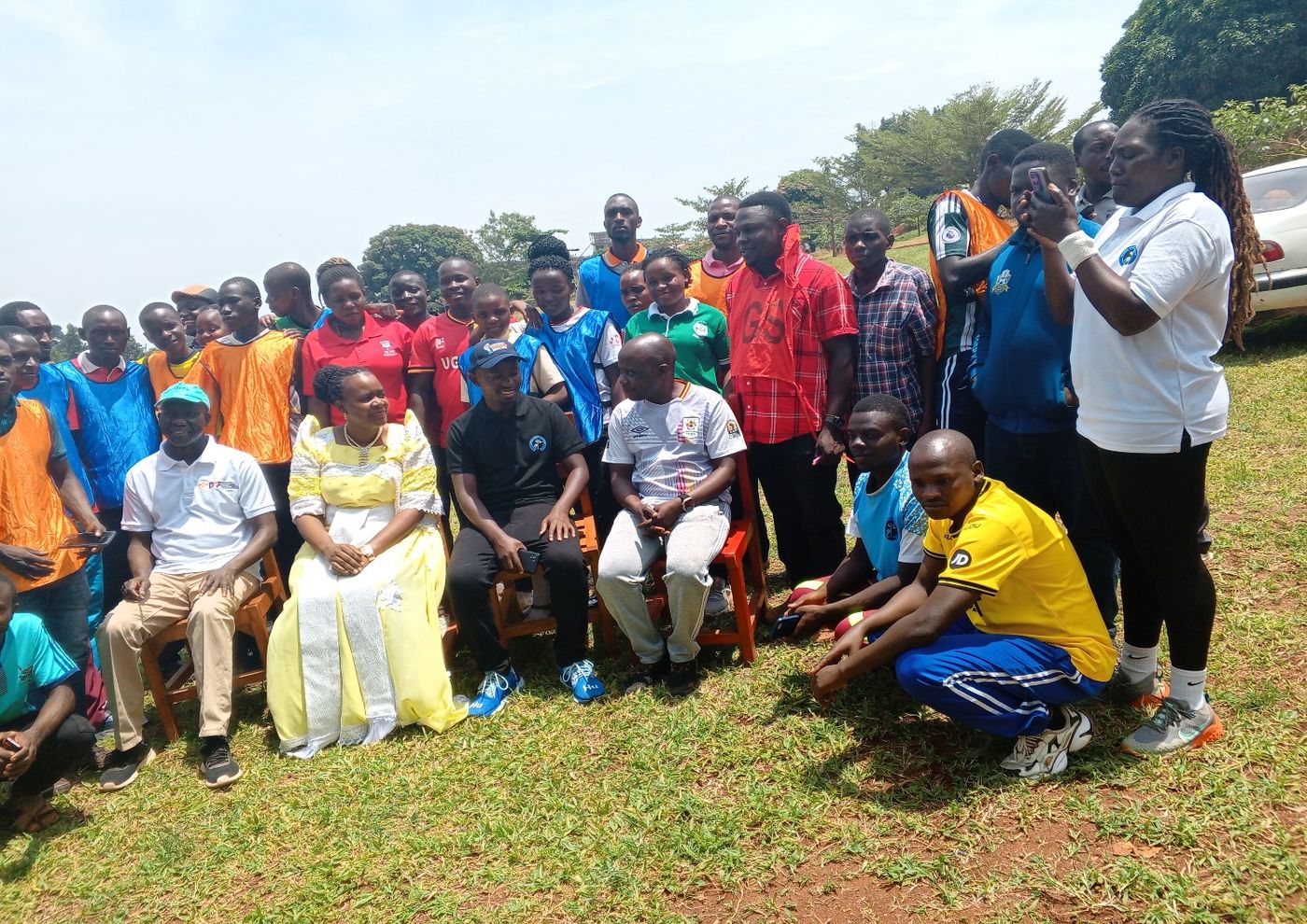
- Community mobilisation and awareness: community meetings, public demonstrations, school visits, sports festivals, stakeholder meetings and media outreach.
- Technical capacity building: training for teachers, community coaches, youth leaders, sports officers, referees and volunteers.
- Club formation and institutional development: guiding interested communities through the process of setting up a club.
Reach
The programme worked in 92 districts and cities, across the Central, Eastern, Northern and Western regions. The list runs from Kampala, Wakiso and Mukono to Mbale, Soroti, Gulu, Arua, Hoima, Fort Portal, Mbarara and Kabale. The full list of districts has its own page with charts, and the capacity building page shows the programme in pictures.
What it achieved
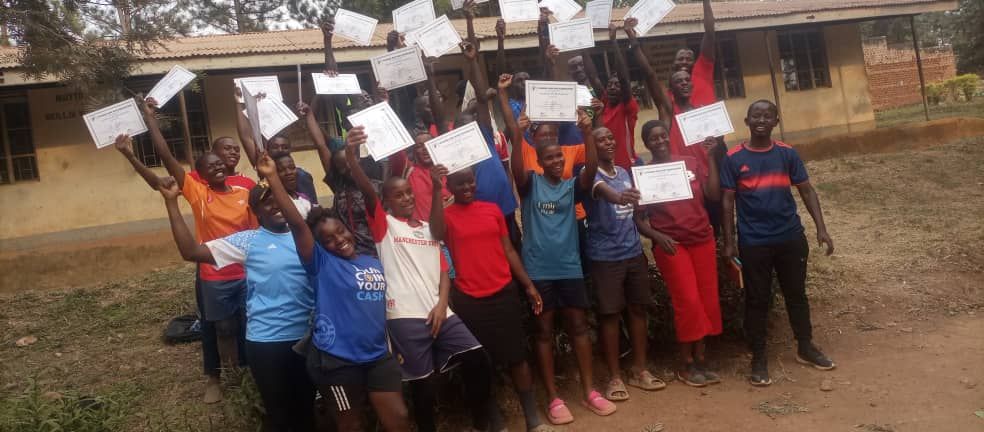
- Kho Kho was introduced to many districts where it had been unknown.
- A growing pool of coaches, referees and administrators.
- Community-based clubs formed and strengthened.
- More young people taking part in organised sport, and athletes with potential for regional and national selection identified.
Challenges and lessons
The report names limited funds, transport, equipment and playing facilities, low awareness in newly reached communities, long distances and too few trained technical people. Work continued through volunteers, partnerships and community support. The lessons were that grassroots ownership is critical, schools are effective entry points, mentoring strengthens clubs, local leadership improves participation and community partnerships speed up adoption.
The report was prepared by General Secretary Harriet Margaret Apolot. Read the full report.